Startup Budget Template: A Complete Guide To Planning Your Business Expenses
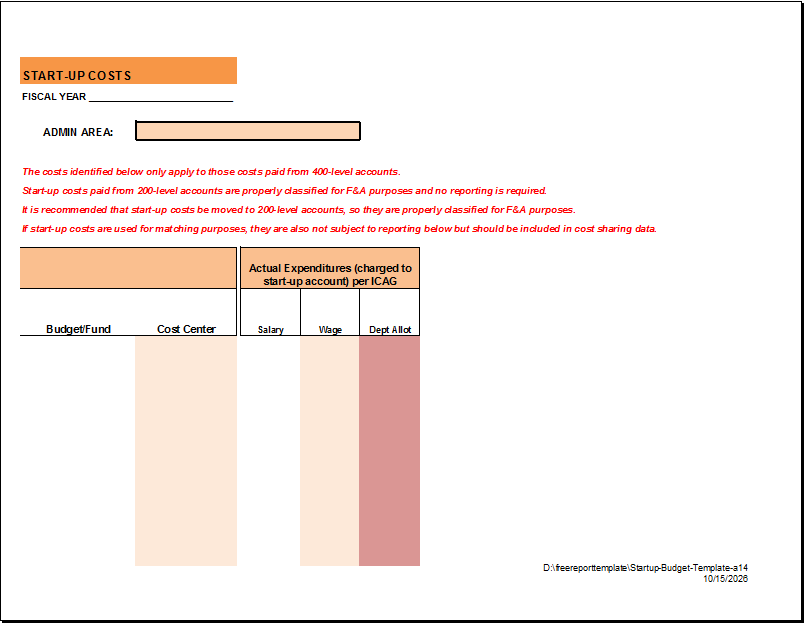
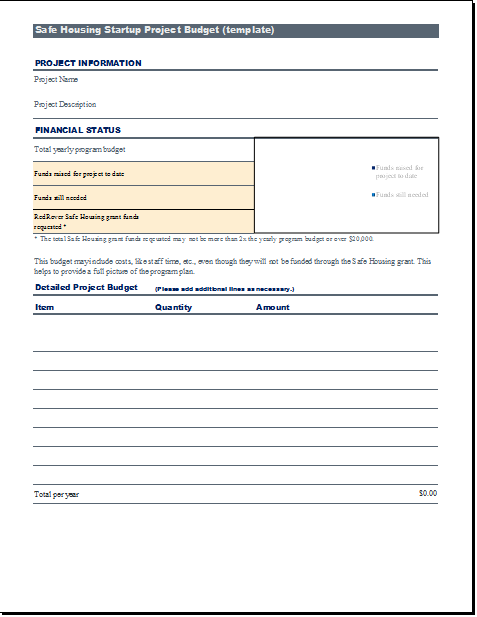
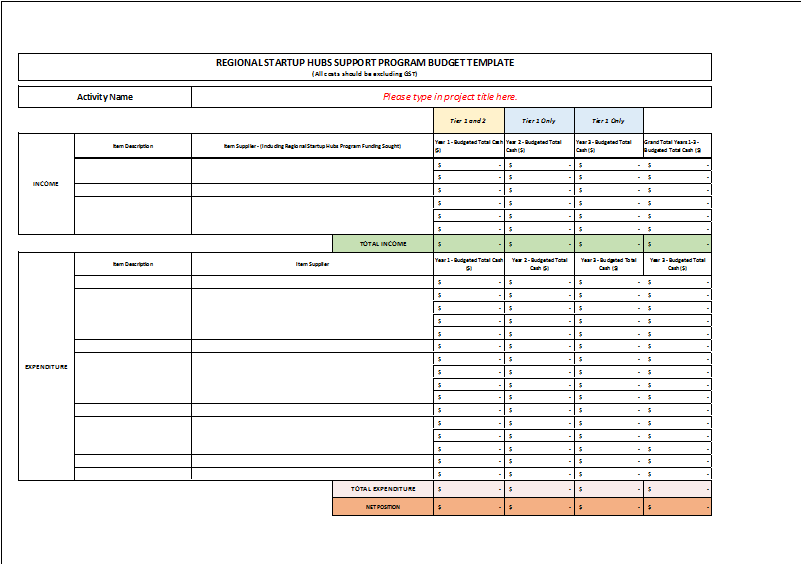
A startup budget is a financial plan that outlines the estimated costs of launching a new business. It includes one-time expenses, recurring operating costs, initial inventory, marketing expenses, equipment purchases, and working capital. By preparing a realistic budget before launching your business, you can make informed decisions and reduce the risk of financial difficulties.
In this article, we will explore what a startup budget is, why it is important, which expenses to include, and how to create a practical budget for your new business.
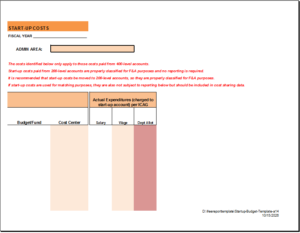
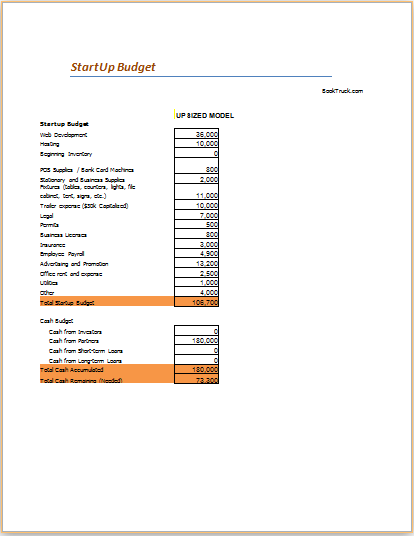
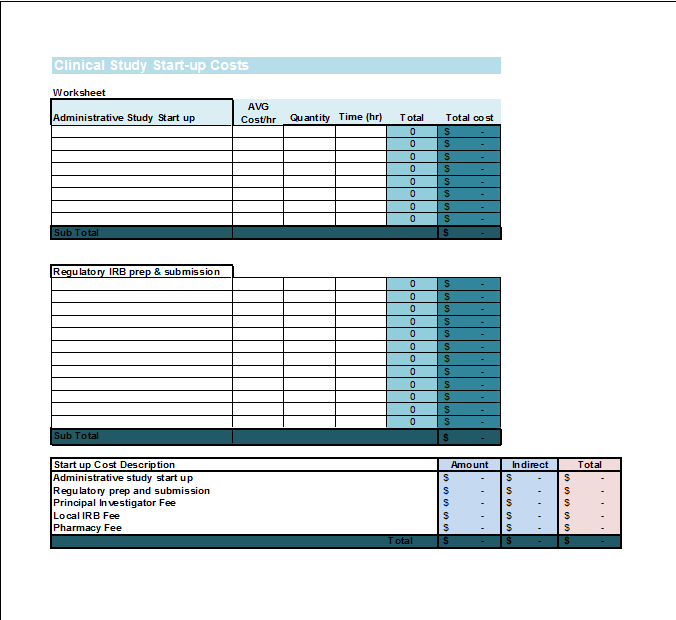
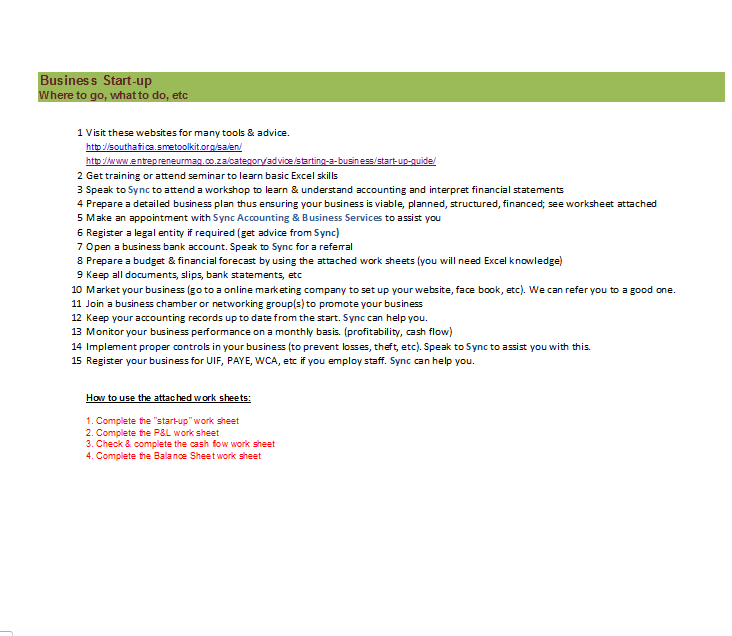
Startup Budget Templates:

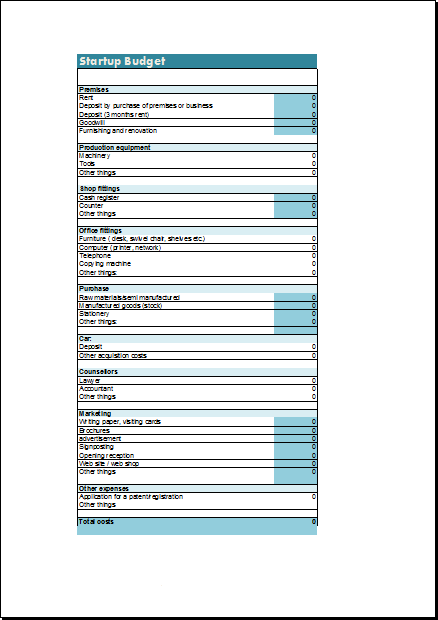
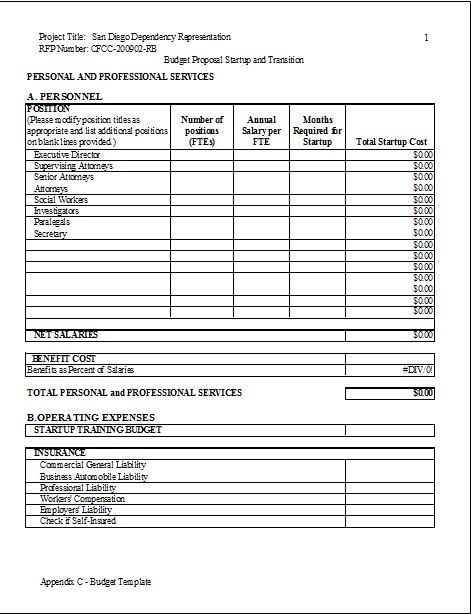
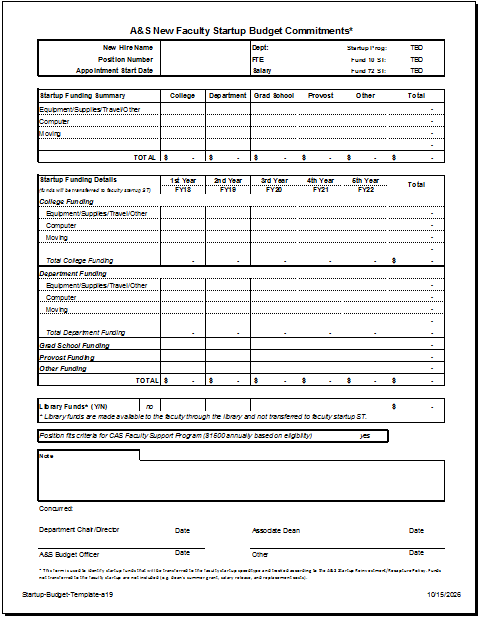
What Is a Startup Budget?
A startup budget is a financial document used to calculate the money required to establish and operate a new business during its initial stage. It provides an overview of expected expenses and available funds, helping entrepreneurs determine whether they have sufficient capital to launch their business.
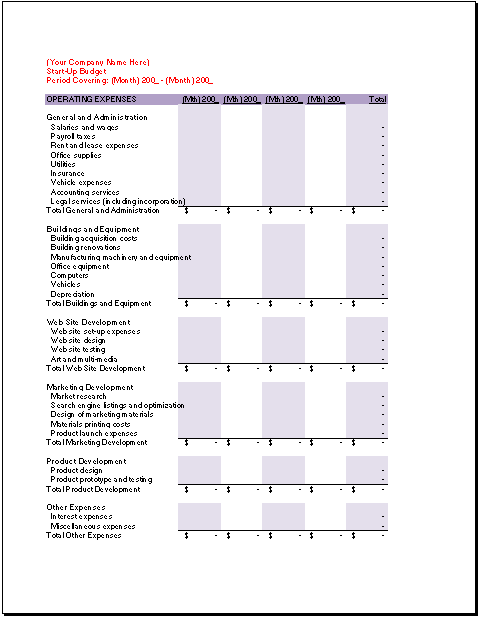
A startup budget typically includes expenses such as business registration, office rent, equipment, website development, marketing, supplies, employee salaries, and other essential costs. It may also include an emergency reserve to cover unexpected expenses or temporary cash shortages.
For example, someone planning to start an online clothing store may need to budget for website hosting, product inventory, packaging materials, photography, advertising, and delivery services. Listing these expenses in advance makes it easier to estimate the total investment required.
What Expenses Should Be Included in a Startup Budget?
A complete startup budget should cover all major expenses associated with establishing and operating your business. The exact categories depend on your industry, business model, location, and operational requirements.
1. Business Registration and Legal Fees
These expenses include business registration, licenses, permits, legal consultations, and other administrative requirements. The amount will depend on your business structure and local regulations.
2. Equipment and Technology
Most businesses require equipment to operate efficiently. Depending on the business, these costs may include computers, printers, machinery, furniture, mobile devices, software, and other tools.
3. Office or Workspace Expenses
If your business requires a physical location, include rent deposits, utility connections, furniture, internet services, electricity, and maintenance costs. Home-based businesses may have lower workspace expenses.
4. Inventory and Supplies
Retailers, manufacturers, and product-based businesses often need to purchase inventory before generating sales. Include raw materials, products for resale, packaging, labels, and other necessary supplies.
5. Marketing and Advertising
Marketing helps introduce your business to potential customers. Your budget may include website design, search engine optimization, social media promotion, paid advertising, business cards, promotional materials, and branding.
6. Employee and Contractor Costs
If you plan to hire employees or freelancers, estimate recruitment expenses, salaries, contractor payments, training, and any applicable employment-related costs.
7. Website and Online Services
Many startups need a website, domain name, hosting service, e-commerce platform, payment processing tools, or business email. Include the initial setup costs and recurring subscription fees.
8. Insurance and Professional Services
Depending on your business, you may need insurance, accounting services, bookkeeping assistance, or professional advice. Research the requirements that apply to your industry.
9. Working Capital
Working capital helps cover routine business expenses while the company establishes a steady income. It may be used for rent, supplies, utilities, payroll, transportation, and other operating needs