Lease To Own Agreement Templates: A Complete Guide
A lease to own agreement is a contract that combines a rental arrangement with the potential purchase of a property, vehicle, or other asset. Under this type of agreement, the buyer or tenant gets the right to use the asset while making regular payments, with the option—or in some agreements, the obligation—to purchase it at a later date.
A well-prepared lease to own agreement template can make the arrangement easier to understand by clearly defining the responsibilities of both parties, payment terms, purchase conditions, maintenance obligations, and other important details.
Lease to Own Agreement Templates:
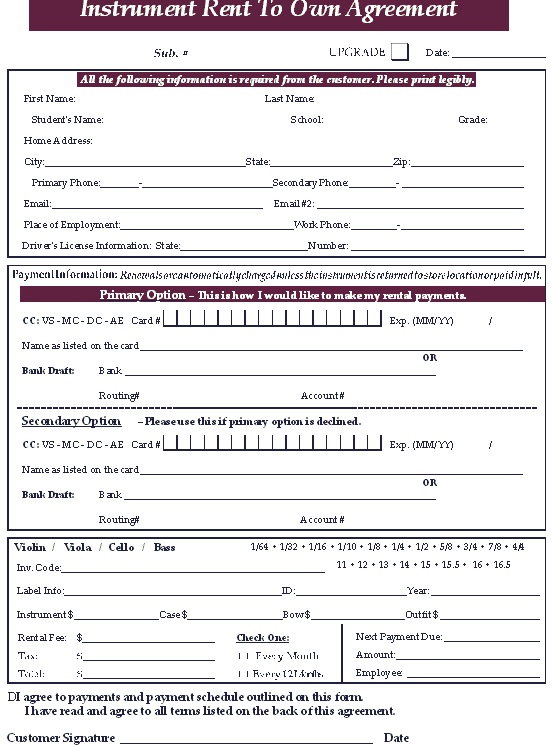

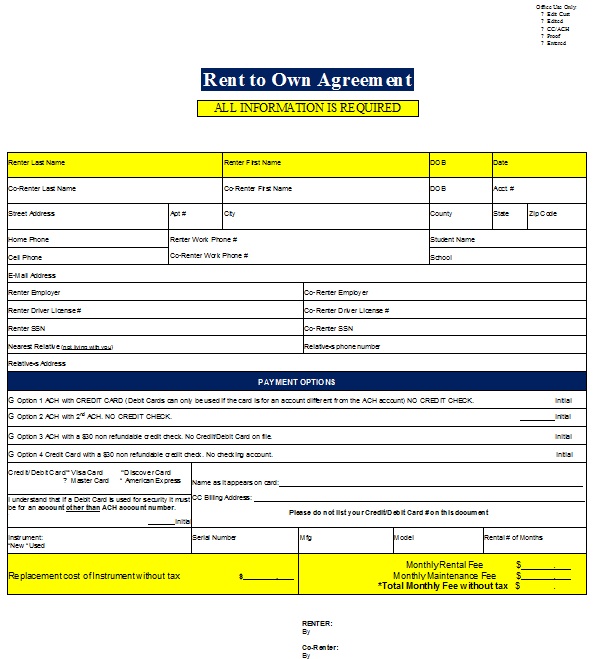
Lease Purchase Agreement Templates:
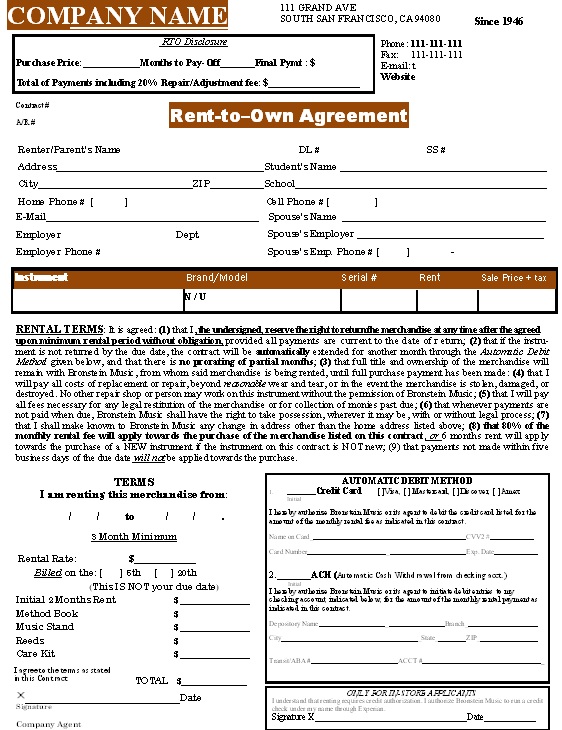
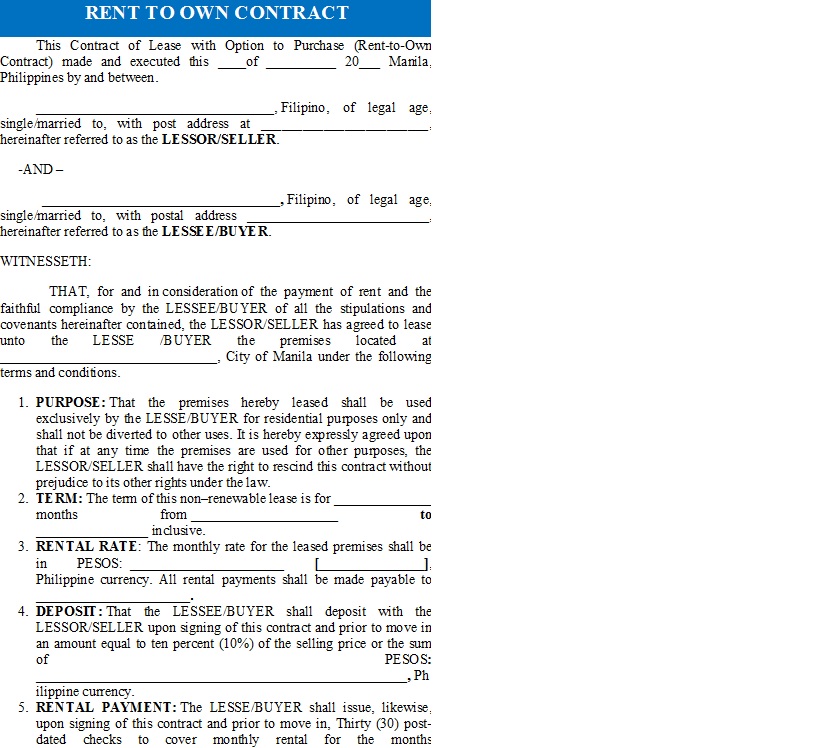
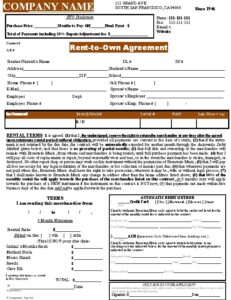
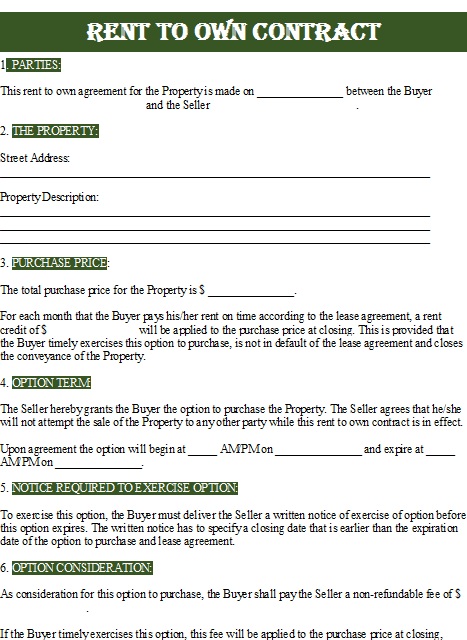
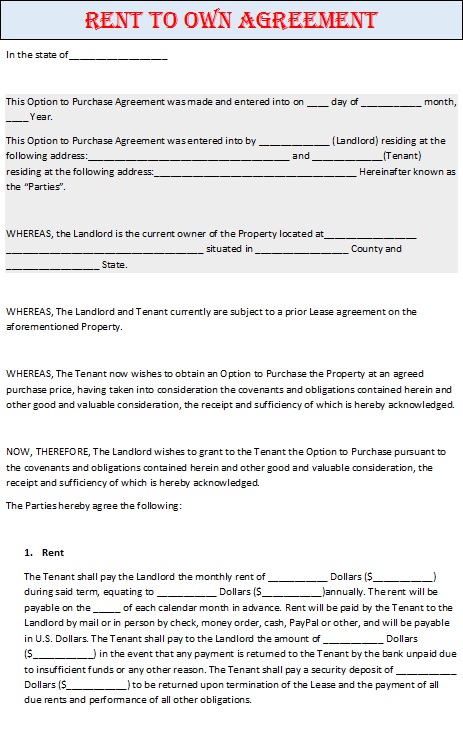
Rent To Own Agreement Template:
What Is a Lease to Own Agreement?
A lease to own agreement is a legal document between an owner and a person who wants to lease an asset with the possibility of purchasing it.
For example, in a real estate transaction, a tenant may rent a house for two or three years and receive the right to purchase the property during or at the end of the lease term. Some agreements allow a portion of the rent to be credited toward the eventual purchase price.
Lease to own arrangements can be structured in different ways. Two common forms are:
-
Lease-option agreement: The tenant has the right, but generally not the obligation, to purchase the property.
-
Lease-purchase agreement: The parties agree that the tenant will purchase the property according to the terms established in the contract.
Because the legal and financial consequences can differ significantly, the agreement should clearly state which arrangement applies.
What Should a Lease to Own Agreement Template Include?
A comprehensive template should cover the essential terms of the transaction. The exact requirements may vary depending on the jurisdiction and the type of asset involved.
1. Names of the Parties
The agreement should identify everyone involved. For a property transaction, this normally includes the property owner and the tenant or prospective buyer.
Include:
-
Full legal names
-
Addresses
-
Contact information
-
Any business or entity names, where applicable
2. Description of the Property or Asset
The agreement should clearly identify what is being leased.
For real estate, this may include:
-
Property address
-
Legal description
-
Type of property
-
Included fixtures or appliances
For a vehicle or other asset, identifying information such as the make, model, year, serial number, or identification number may be appropriate.
3. Lease Term
The contract should state when the lease begins and ends.
For example, the agreement may provide for a 24-month lease beginning on January 1 and ending on December 31 of the following year.
The parties should also specify what happens when the lease expires. If there is a purchase option, the agreement should explain when and how that option can be exercised.
4. Monthly Rent or Lease Payments
The agreement should specify the amount and frequency of payments.
Important details may include:
-
Monthly payment amount
-
Due date
-
Acceptable payment methods
-
Late-payment provisions
-
Grace periods, if any
-
Consequences of nonpayment
Clear payment terms can help reduce misunderstandings during the lease period.
5. Purchase Price
If the asset can be purchased, the agreement should explain how the purchase price will be determined.
The contract may state a fixed purchase price or provide a formula for determining the price at a later date.
For example:
Purchase Price: $250,000, subject to the terms and conditions specified in this agreement.
If the price can change, the agreement should explain exactly how and when that adjustment occurs.
6. Option Fee or Upfront Payment
Some lease to own arrangements require the tenant to pay an upfront option fee.
The agreement should explain:
-
The amount of the fee
-
Whether it is refundable
-
Whether it will be credited toward the purchase price
-
What happens to the fee if the tenant does not purchase the asset
These provisions should be written in clear language because they can have significant financial consequences.
7. Rent Credits
Some agreements allow part of the monthly rent to be applied toward the future purchase.
For example, if monthly rent is $1,500 and the agreement provides for a $300 monthly purchase credit, the contract should clearly state how that credit is calculated and under what circumstances it applies.
The agreement should also explain whether unused credits are refundable if the purchase does not occur.
8. Maintenance and Repairs
The parties should clearly determine who is responsible for maintaining the property or asset.
A property agreement might distinguish between:
-
Routine maintenance
-
Minor repairs
-
Major repairs
-
Structural repairs
-
Utilities
-
Property taxes
-
Insurance
Without clear provisions, disputes can arise over who should pay for repairs during the lease period.
9. Taxes and Insurance
The agreement should identify responsibility for applicable taxes and insurance.
For a property, this may include property taxes and homeowners or landlord insurance. The tenant may also be required to obtain renter’s insurance.
For other assets, different insurance and tax requirements may apply.
10. Purchase Procedure
The contract should explain exactly how the purchase will take place.
This may include:
-
Notice required to exercise the purchase option
-
Deadline for exercising the option
-
Required financing or proof of funds
-
Closing date
-
Closing costs
-
Required documents
-
Transfer of ownership
The more specific these provisions are, the easier it may be for both parties to understand their obligations.