Sales Forecast Report Templates
What Is the Purpose Of Sales Forecast Report?
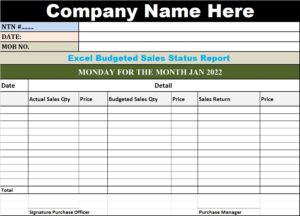
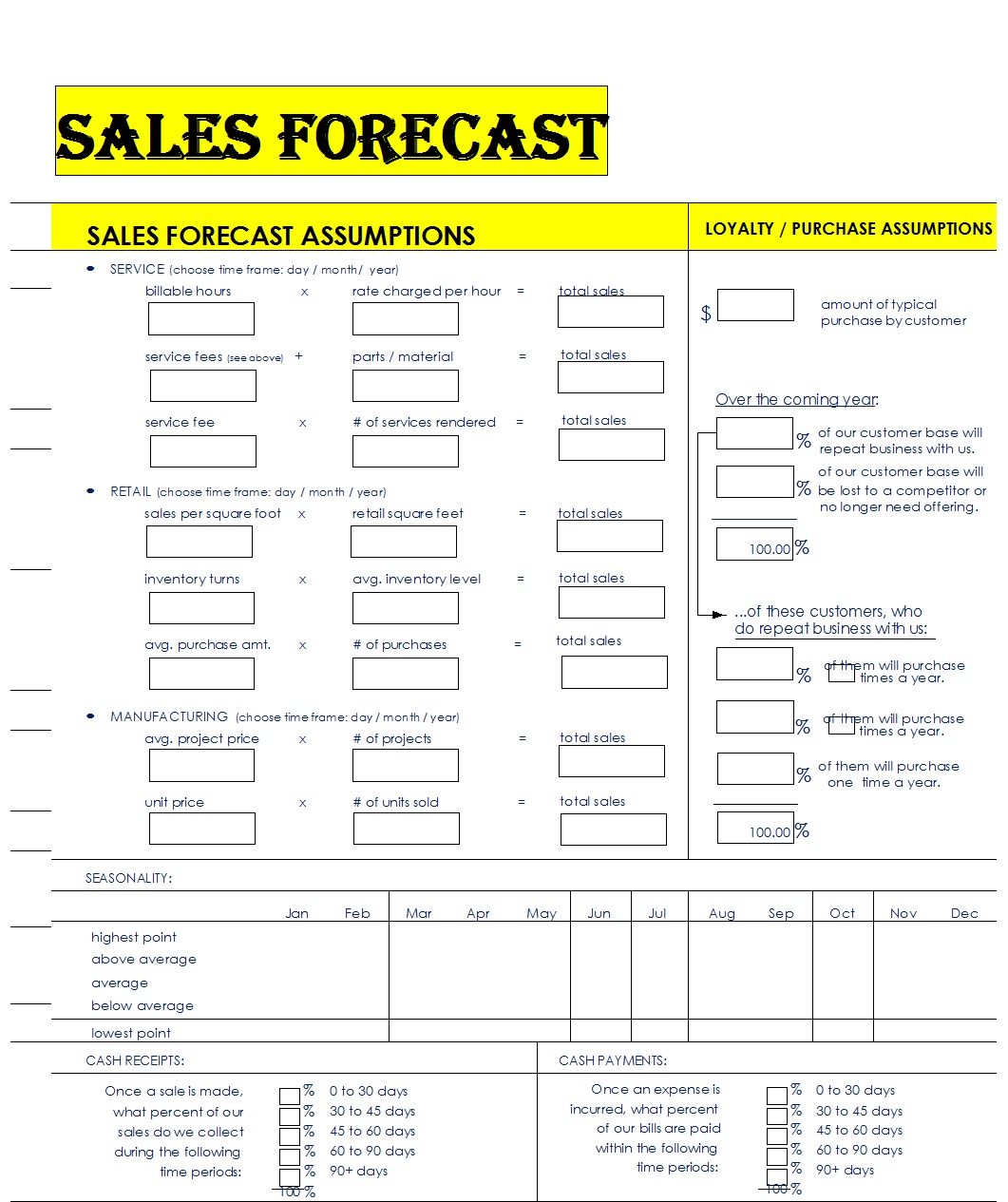
Sales qualify for the exchange of goods over some money or security. In this modern era people do transactions of millions every day, every company, organization, firm, partnership, sole proprietor, trader, and miscellaneous types of business success are recognized through their sales values. Below is an example of a Sales Forecast Report. Every company keeps the check and balance of their company’s transactions through these sales volumes. Sales Forecast reports play a vital role for the Chairman, Directors, Shareholders, and Stockholders to predict and plan their future decisions. See also credit sales report.
How To Make Sales Forecast Report Templates?
These reports are helpful to provide an automatic assessment of their business graph. Before investing in any company every investor tends to check the history of the company’s sales/products for a secure investment. If he founds the background of the company satisfactory, it is only natural that he would feel confident investing his money there.
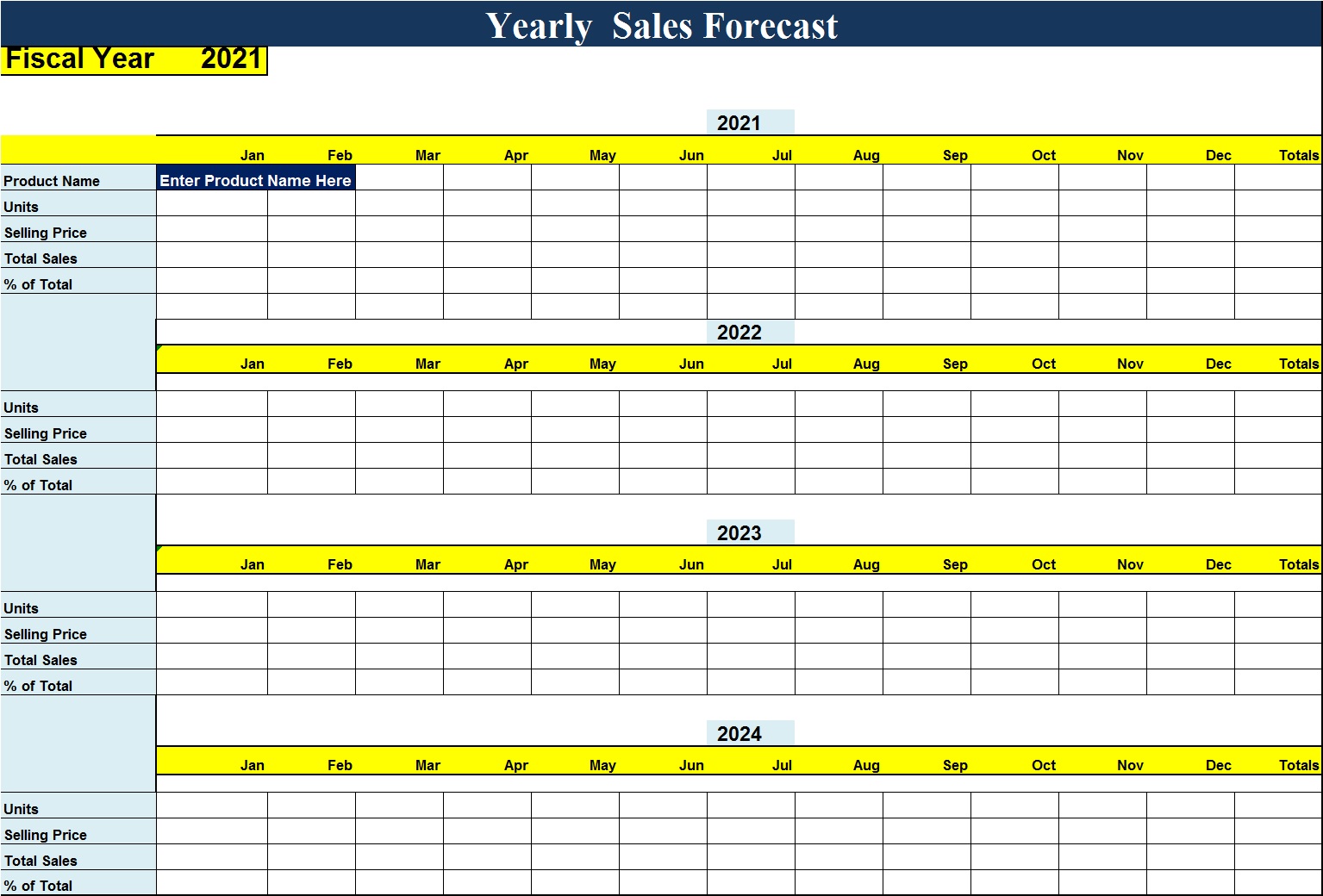
Free Sales Forecast Report Templates:

Why Are Sales Forecast Reports Important?
Sales forecasting is more than just predicting numbers—it influences major business decisions.
1. Better Financial Planning
Forecasts help estimate future revenue, allowing businesses to plan budgets and manage cash flow effectively.
2. Inventory Management
Accurate forecasts ensure that businesses maintain optimal stock levels—avoiding overstocking or shortages.
3. Goal Setting
Sales targets become more realistic when based on data-driven forecasts.
4. Resource Allocation
Companies can allocate staff, marketing budgets, and production resources more efficiently.
5. Risk Reduction
Forecasting helps identify potential downturns and prepares businesses to respond proactively.
Key Components of a Sales Forecast Report Template
A well-designed template includes several essential elements:
1. Historical Sales Data
Past performance is the foundation of any forecast. This includes previous sales figures, trends, and seasonal patterns.
2. Market Analysis
Understanding industry trends, customer behavior, and competitor activity helps refine predictions.
3. Assumptions
Every forecast is based on certain assumptions, such as economic conditions or marketing performance.
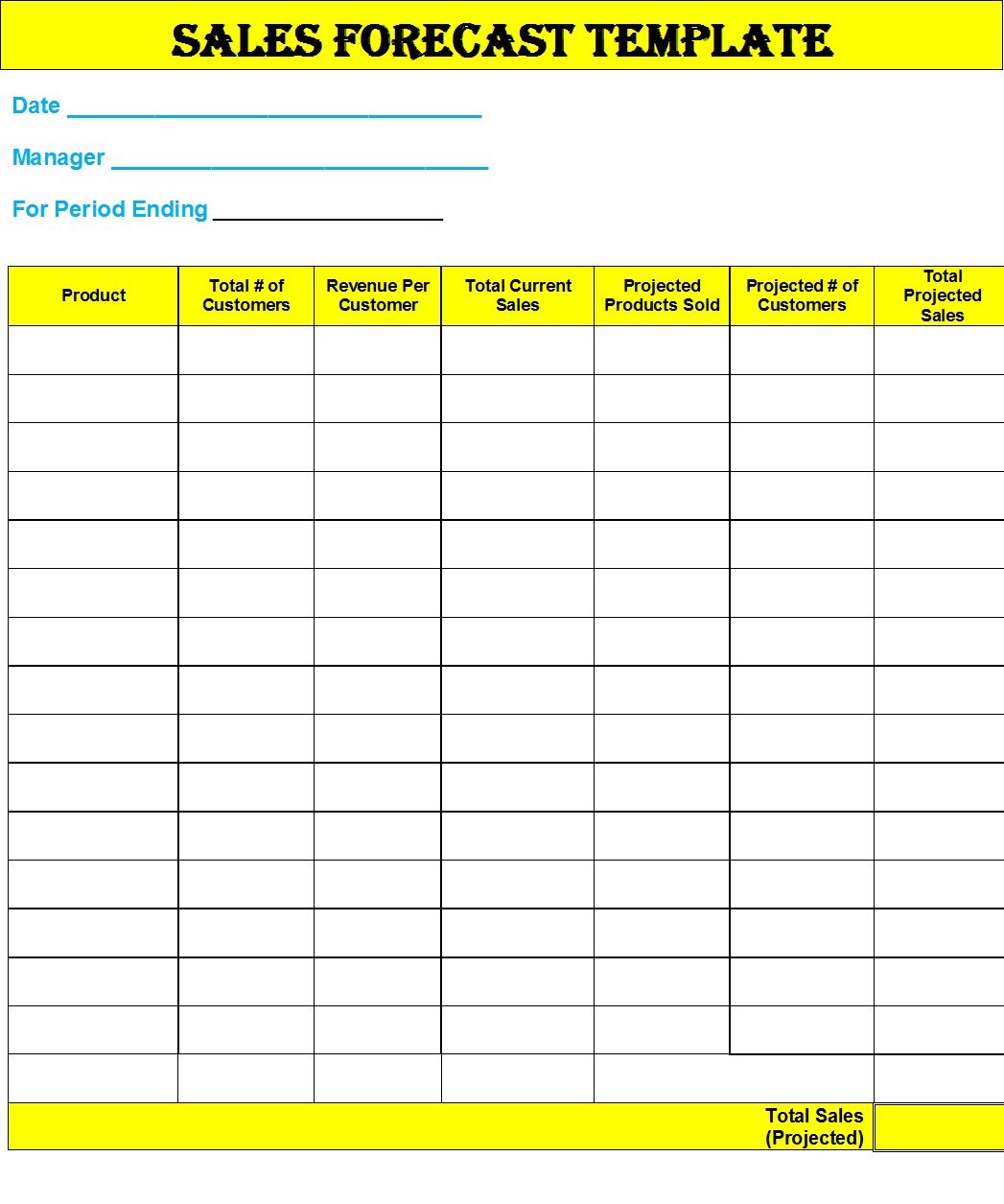
4. Sales Projections
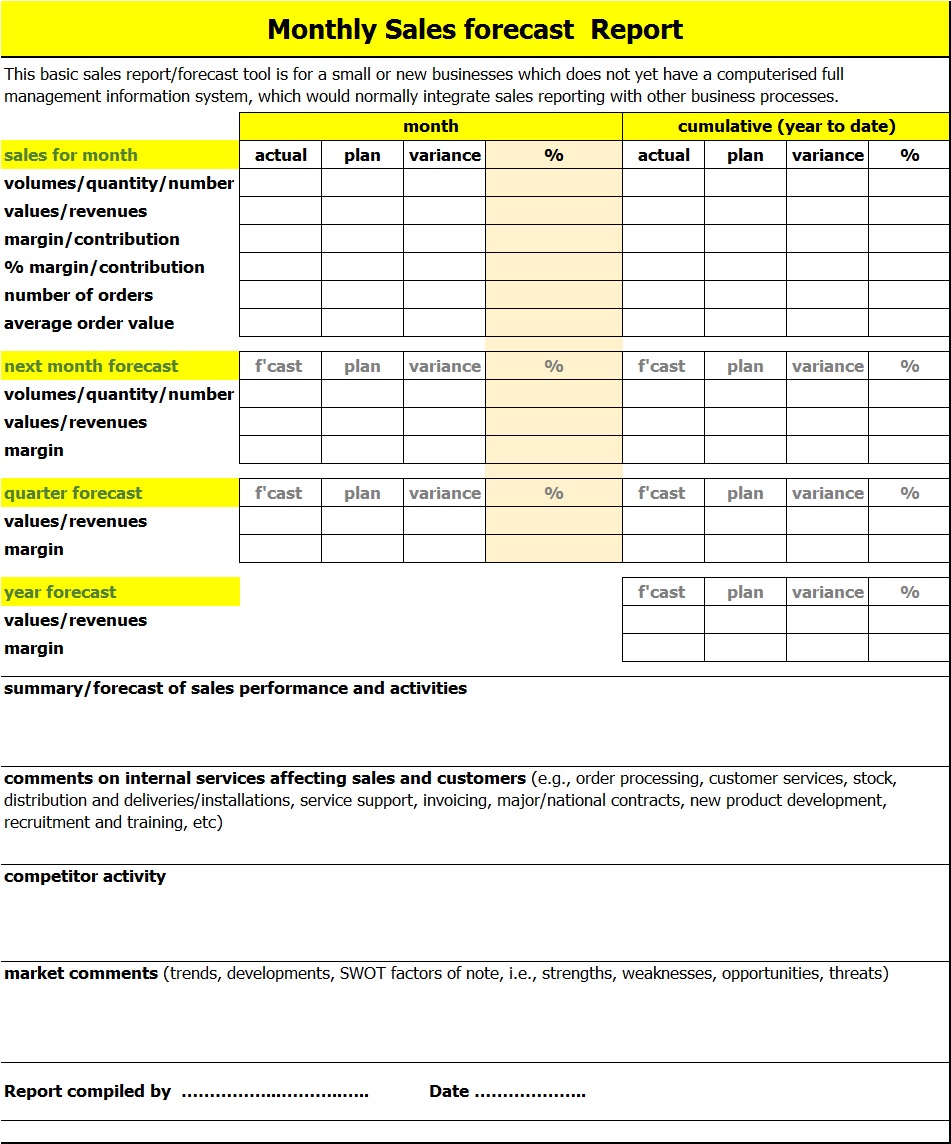
This is the core of the report—estimated sales for future periods.
5. Growth Rate
Expected percentage increase or decrease in sales over time.
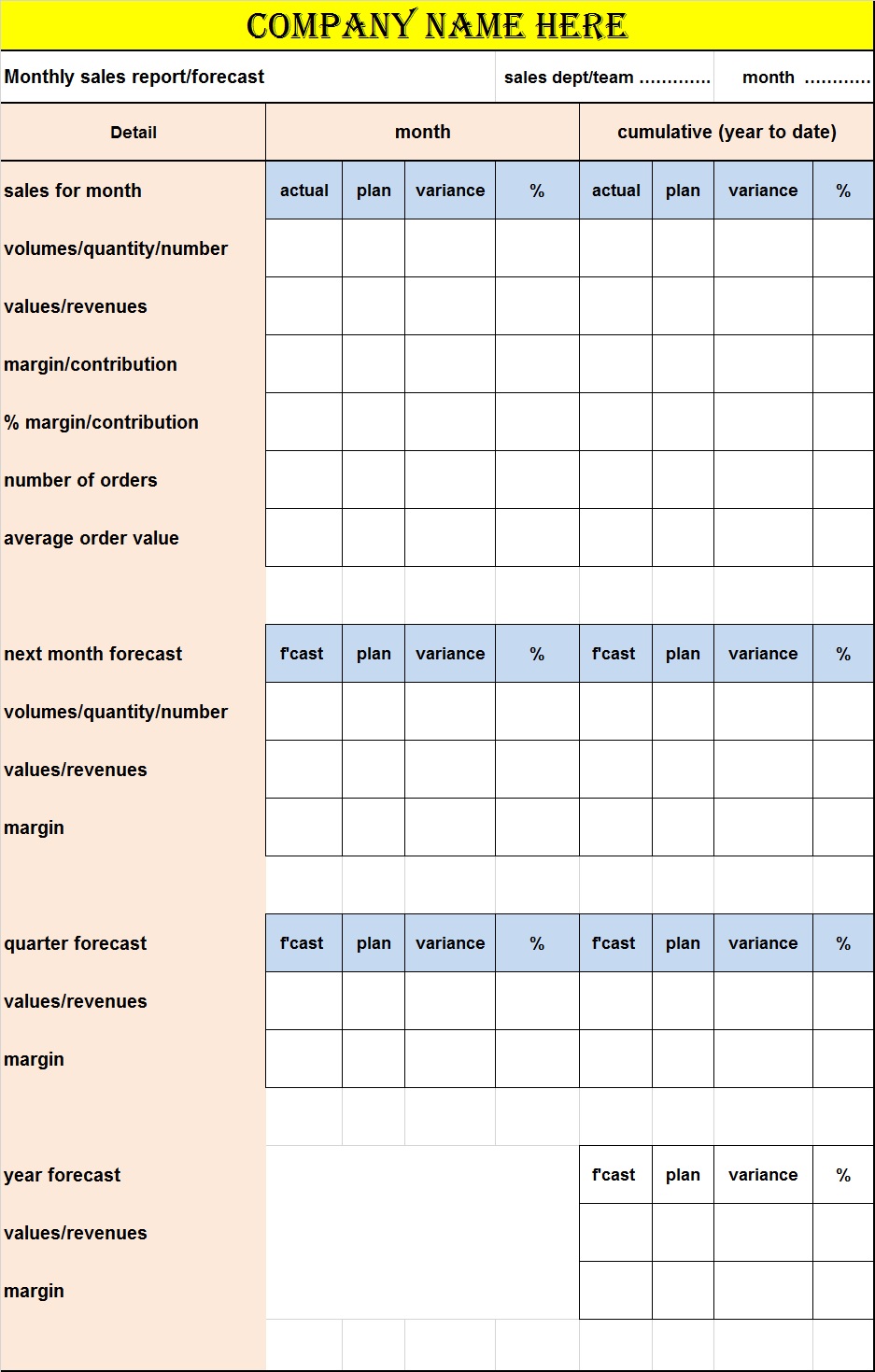
6. Variance Analysis
A comparison between forecasted and actual sales to measure accuracy.
7. Visual Elements
Charts, graphs, and tables make the data easier to understand and present.
How To Download And Edit Free Sales Forecast Sample?
You can download the free template designs for Sales Forecast by simply clicking the download button below the preview. Make sure to have MS Office installed in your system to further work with our Forecast Templates. Most of the templates are compiled using MS Word and Excel. Open it in your system and start editing. See also daily sales report.
Common Mistakes to Avoid
- Ignoring past data – Leads to unreliable forecasts
- Overcomplicating the template – Makes it hard to use
- Not updating forecasts – Reduces accuracy over time
- Relying on guesswork – Data-driven insights are essential
Benefits of Using Templates
- Saves time and effort
- Ensures consistency
- Improves accuracy
- Enhances decision-making
- Supports business growth.
FAQs: Sales Forecast Report Templates
1. What is a sales forecast report?
A sales forecast report is a document that estimates future sales over a specific period based on historical data, market trends, and business insights. It helps companies plan budgets, inventory, and strategies.
2. Why should I use a sales forecast template?
Using a template saves time, ensures consistency, and reduces errors. It provides a structured format that makes forecasting easier and more organized.
3. What information should be included in a sales forecast template?
A good template typically includes:
- Historical sales data
- Sales projections
- Growth rates
- Market assumptions
- Time periods (monthly, quarterly, yearly)
- Variance analysis
4. How often should I update my sales forecast?
It’s best to update your forecast regularly—monthly or quarterly—depending on your business size and industry. Frequent updates improve accuracy.
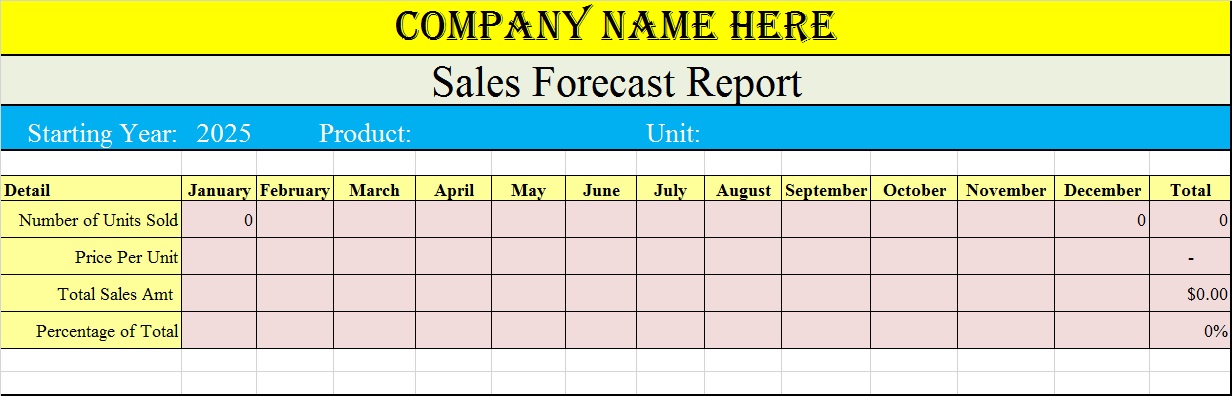
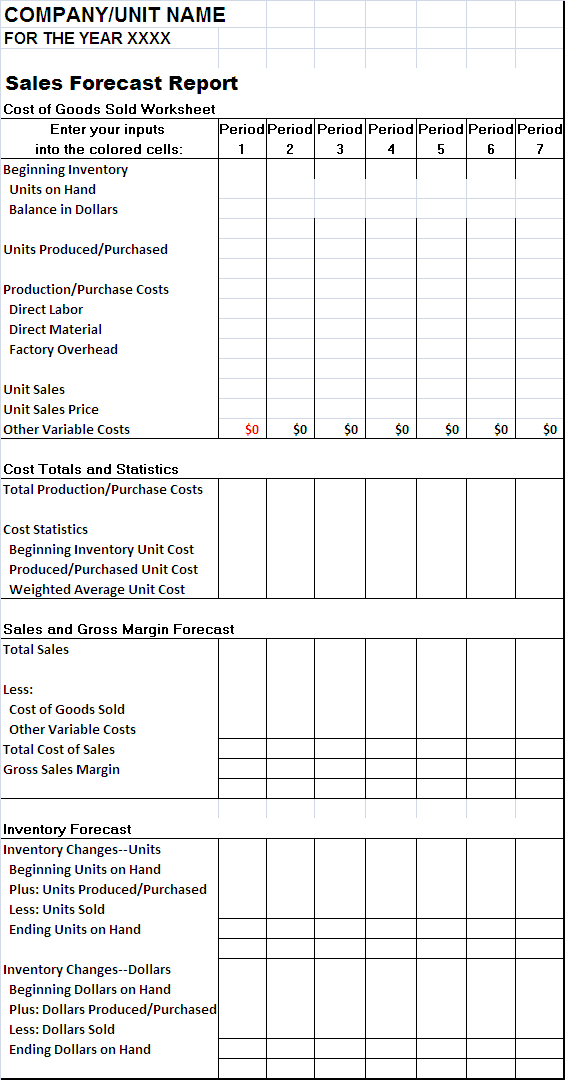
Below you can download the free Sales Forecast Report Template: