Material Issue Report Templates-Free Format, Examples & Best Practices
What is a Material Issue Report?
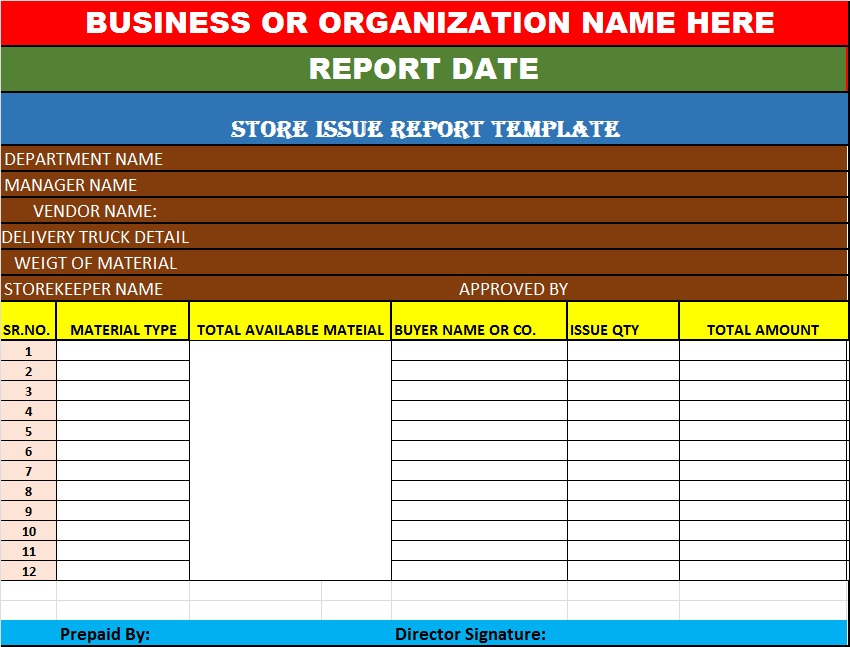
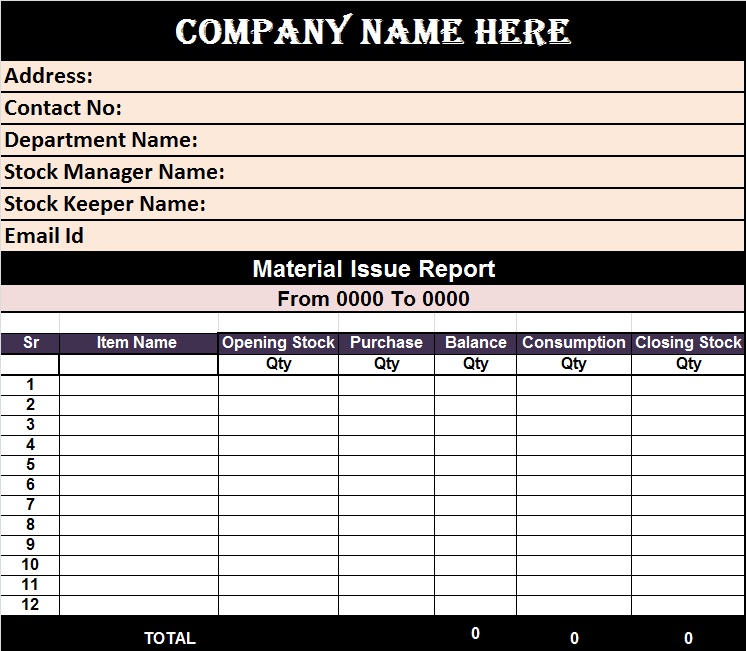
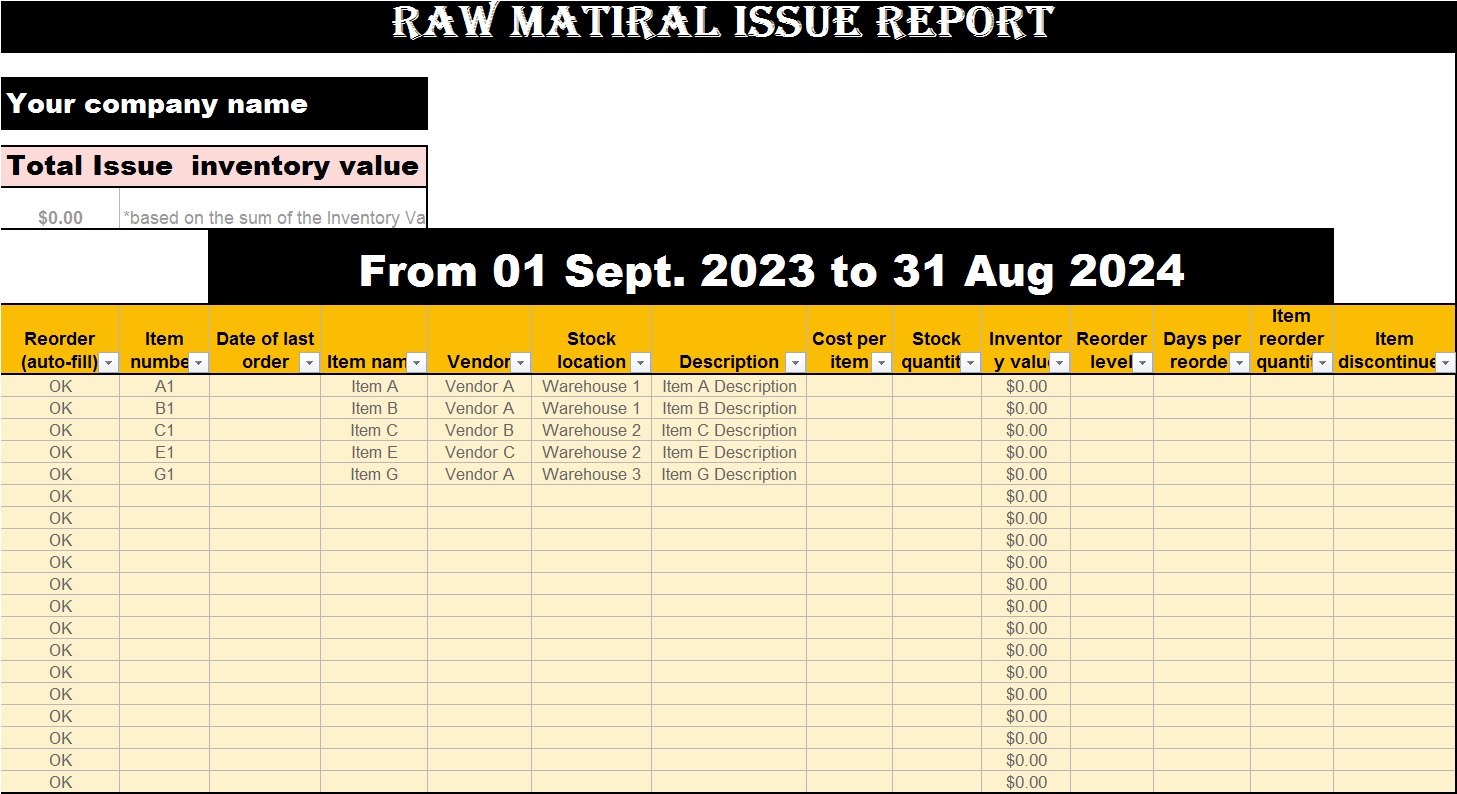
Following post is a comprehensive report template for the Material Issue Report. It is a general sample of the report consisting of all the basic and important categories that any kind of store (pharmacy or company, private production, departmental, etc) can make use of. With a busy schedule of daily life and routine, there’s a lot of hustle and bustle in utility and general stores. This Material Issue List can help organize and maximize your budget. See also Stock Report.
Material Issue Reports also serve several important business functions, including:
- Tracking recurring material problems.
- Supporting supplier performance evaluations.
- Improving inventory management.
- Assisting quality assurance teams.
- Creating documentation for audits.
- Providing evidence for warranty or insurance claims.
- Supporting corrective and preventive action (CAPA) programs.
The benefit of Material Issue Report Sample:
Material Issue Report Template helps you create and manage and also keep a record of all the purchases, their quantity, and codes for future reference. See also the Daily Demand Report Template and Salary Report Template. This report template is created in Microsoft Excel. It is easy to understand and work with. You can add any extra information that you might need. With report gives you a precise look at the transactions so make sure to fill in the right information for record keeping.
With the help of the Store Issue Report Template, you would not need any special expertise in MS Excel to make a report. Anyone with little or no knowledge at all can make a comprehensive and impressive report.

How To Edit And Download Free Material Issue Report Examples:
All the template designs are followed by a free download button ahead. Make sure to have MS Word and Excel installed to further work with our templates. Download the file. Open it in your system. Start adding your data.
Essential Sections of a Material Issue Report Template
A complete Material Issue Report template should contain several key sections to ensure all relevant information is captured.
1. Report Information
The first section includes general information about the report itself.
Typical fields include:
- Report Number See also Summary Stock Report.
- Date of Report
- Time of Report
- Department
- Project Name
- Location
- Report Prepared By
- Job Title
Assigning a unique report number makes future tracking and referencing much easier.
2. Material Details
This section identifies the material involved in the issue.
Include information such as:
- Material Name
- Material Code or Item Number
- Batch or Lot Number
- Purchase Order Number
- Supplier Name
- Quantity Received
- Quantity Affected
- Storage Location
Detailed material identification reduces confusion during investigations.
3. Description of the Issue
This is one of the most important sections of the report.
Clearly describe:
- What happened
- When the issue was discovered
- How the issue was identified
- Who identified it
- Current condition of the material
The description should be factual, objective, and free from assumptions. Photographs, inspection records, or supporting documents may also be attached to strengthen the report.
4. Type of Material Issue
A checklist helps classify the issue quickly.
Common categories include:
- Damaged material
- Incorrect specifications
- Wrong quantity received
- Missing items
- Expired material
- Contamination
- Packaging damage
- Manufacturing defect
- Transportation damage
- Documentation error
- Labeling issue
- Quality failure
Selecting the appropriate category improves reporting consistency.
5. Impact Assessment
This section explains how the issue affects operations.
Possible impacts include:
- Production delay
- Increased project cost
- Safety concern
- Customer complaint
- Product quality risk
- Inventory discrepancy
- Schedule disruption
Understanding the impact helps management prioritize corrective actions.
6. Root Cause Investigation
After identifying the issue, the investigation team determines why it occurred.
Possible root causes include:
- Supplier manufacturing error
- Shipping damage
- Improper storage
- Incorrect handling
- Procurement mistake
- Warehouse error
- Inspection failure
- Packaging defect
- Environmental conditions
Organizations often use techniques such as the 5 Whys or Fishbone Diagram to identify the true root cause.
7. Immediate Corrective Action
Document the actions taken immediately after discovering the issue.
Examples include:
- Quarantining affected materials.
- Notifying the supplier.
- Replacing defective items.
- Stopping production.
- Conducting additional inspections.
- Updating inventory records.
Immediate action prevents the problem from becoming more serious.
8. Preventive Action
Preventive actions focus on avoiding future occurrences.
Examples include:
- Supplier quality audits.
- Employee training.
- Improved inspection procedures.
- Updated storage practices.
- Revised procurement requirements.
- Enhanced packaging standards.
- Additional quality checkpoints.
Preventive measures improve long-term operational performance.
9. Approval Section
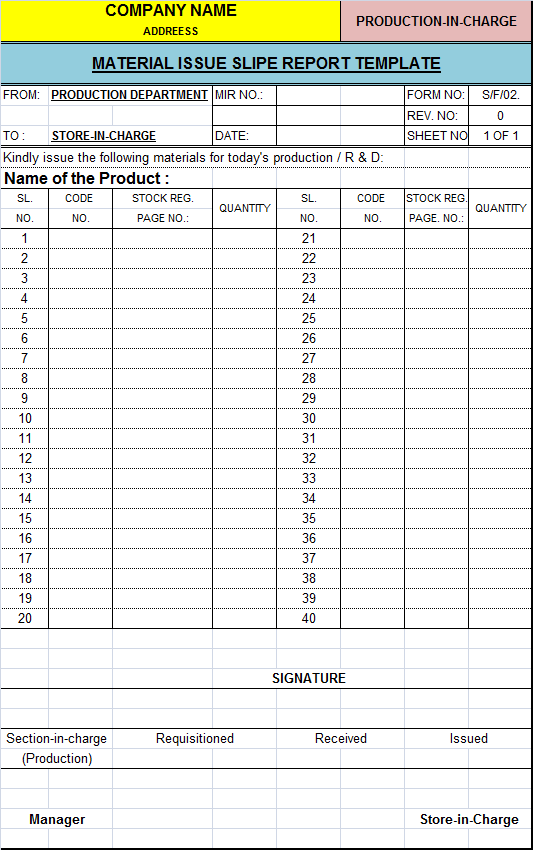
Every Material Issue Report should include approvals from responsible personnel.
Common approval fields include:
- Prepared By
- Reviewed By
- Quality Manager
- Warehouse Manager
- Project Manager
- Approval Date
- Signature
Frequently Asked Questions (FAQs) About Material Issue Report Templates
1. What is a Material Issue Report (MIR)?
A Material Issue Report (MIR) is a document used to record and investigate problems related to materials, such as defects, damage, shortages, incorrect specifications, or quality issues. It helps organizations document incidents, identify root causes, and implement corrective actions.
2. Why is a Material Issue Report important?
A Material Issue Report is important because it helps maintain product quality, reduces production delays, improves supplier accountability, supports regulatory compliance, and provides a documented record for audits and future reference.
3. When should a Material Issue Report be created?
A Material Issue Report should be created as soon as a material-related issue is discovered. Prompt reporting ensures timely investigation, minimizes operational disruptions, and prevents the issue from affecting production or project schedules.
4. Who is responsible for completing a Material Issue Report?
The report is typically completed by the employee who identifies the issue, such as a warehouse supervisor, quality inspector, procurement officer, site engineer, or production manager. The report is then reviewed and approved by the relevant department managers.
5. What information should be included in a Material Issue Report?
A comprehensive Material Issue Report should include:
- Report number and date
- Material name and identification number
- Supplier information
- Quantity affected
- Description of the issue
- Impact assessment
- Root cause analysis
- Corrective and preventive actions
- Supporting documents or photographs
- Approval signatures
6. What types of material issues can be reported?
Common material issues include:
- Damaged materials
- Incorrect material specifications
- Shortages or overages
- Expired materials
- Contamination
- Packaging damage
- Manufacturing defects
- Labeling errors
- Transportation damage
- Inventory discrepancies
7. What is the difference between corrective action and preventive action?
Corrective action addresses the immediate problem by fixing or replacing the affected material, while preventive action focuses on eliminating the root cause to prevent similar issues from happening again.
8. Can a Material Issue Report improve supplier performance?
Yes. Material Issue Reports provide valuable feedback to suppliers by documenting recurring defects, delivery issues, or quality concerns. This information can be used during supplier evaluations and to improve future performance.
9. Should photographs be attached to a Material Issue Report?
Yes. Including photographs, inspection reports, delivery receipts, or other supporting documents strengthens the report by providing visual evidence of the issue and assisting with investigations.
10. How long should Material Issue Reports be retained?
The retention period depends on company policies and industry regulations. Many organizations keep Material Issue Reports for several years to support audits, warranty claims, quality management reviews, and legal or contractual requirements.
11. What are the benefits of using a standardized Material Issue Report template?
A standardized template ensures consistency, improves documentation accuracy, speeds up investigations, enhances communication between departments, and makes it easier to track recurring material issues over time.
12. Which industries commonly use Material Issue Reports?
Material Issue Reports are widely used in industries such as manufacturing, construction, engineering, logistics, warehousing, oil and gas, pharmaceuticals, food processing, automotive, aerospace, and supply chain management.