Indemnification Agreement! Downloadable Agreement Templates
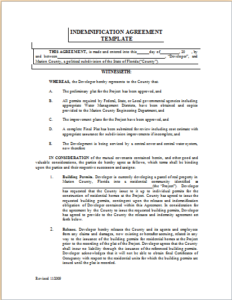
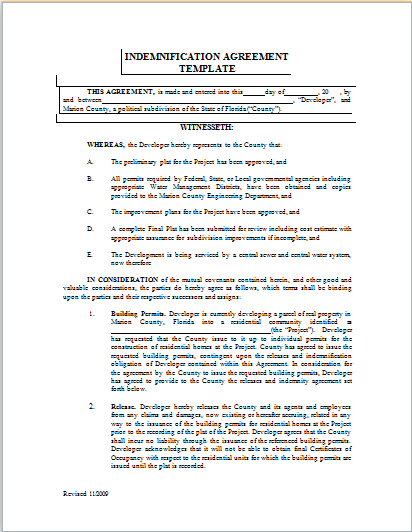
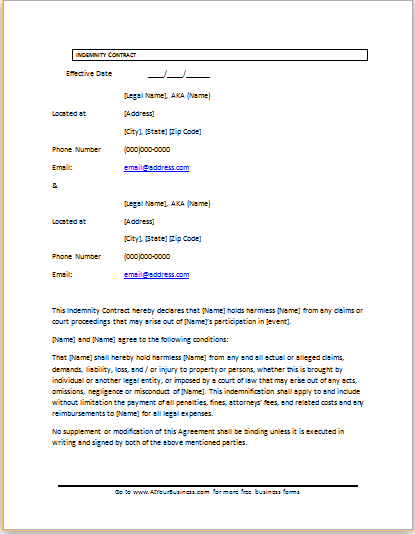
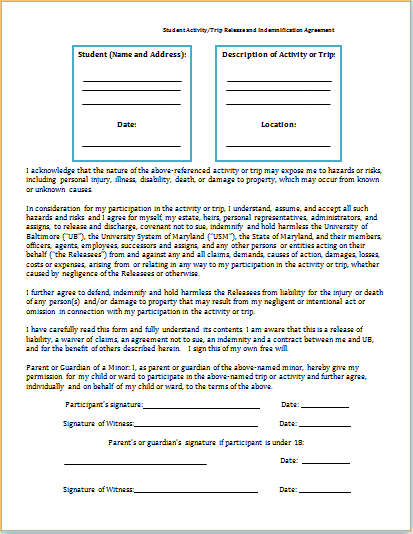
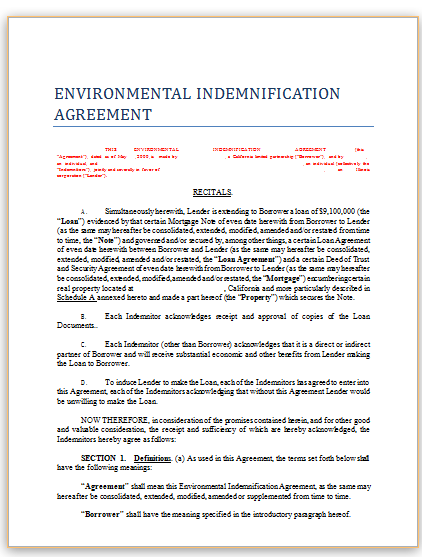
An Indemnification Agreement is a legal document that outlines one party’s responsibility to protect another party from certain financial losses, damages, claims, liabilities, or legal expenses. These agreement templates are commonly used in business relationships, contracts, real estate transactions, professional services, and other situations where one party wants protection from potential risks.
An Indemnification Agreement Template provides a convenient starting point for creating this type of agreement. Instead of drafting the document from scratch, users can customise a template according to the specific transaction, parties involved, and risks being addressed.
Indemnification Agreement Template:

What Is an Indemnification Agreement?
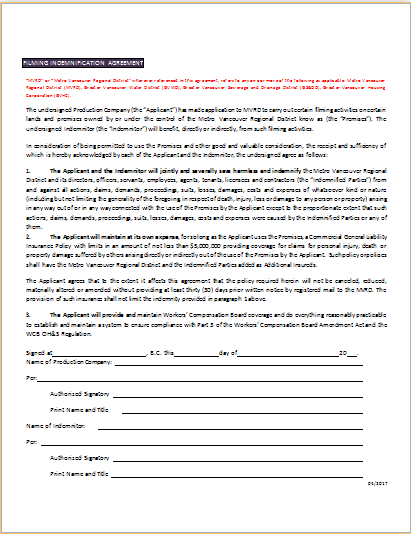
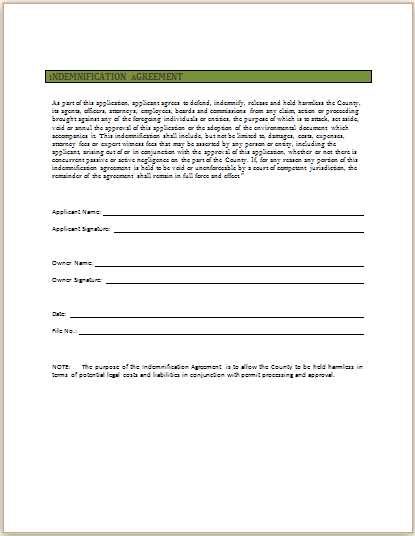
An indemnification agreement is a contract in which one party agrees to compensate or protect another party against specified losses or liabilities.
The party providing the protection is commonly called the indemnifying party, while the party receiving the protection is known as the indemnified party.
For example, a business may hire an independent contractor to provide services. The agreement may state that the contractor will indemnify the business against certain claims or damages resulting from the contractor’s negligence or actions.
The exact meaning and enforceability of an indemnification provision can depend on the wording of the agreement and applicable state or local law.
Why Use an Indemnification Agreement?
Business transactions can involve financial and legal risks. An indemnification agreement helps the parties clearly establish who will be responsible if certain problems arise.
Common reasons for using an indemnification agreement include:
- Protecting a party from specified financial losses
- Allocating responsibility for certain risks
- Addressing third-party claims
- Establishing responsibility for property damage
- Covering certain legal expenses or costs
- Clarifying obligations between businesses and contractors
- Reducing uncertainty when a dispute or claim occurs
A well-written agreement can help both parties understand their responsibilities before a problem occurs.
What Should an Indemnification Agreement Include?
The contents of an indemnification agreement depend on the circumstances, but most agreements include several important sections.
1. Names of the Parties
Begin by identifying the parties entering into the agreement. Include their legal names and, when appropriate, their business names, addresses, and roles.
2. Description of the Agreement
Explain the purpose of the indemnification arrangement and identify the underlying transaction, service, project, or contract.
3. Indemnification Obligations
This is the central part of the agreement. It should clearly explain what losses, claims, damages, liabilities, expenses, or other obligations the indemnifying party agrees to cover.
Avoid vague language whenever possible. The parties should understand exactly what types of risks are covered.
4. Exclusions and Limitations
An agreement may specify circumstances that are not covered by the indemnification obligation. It may also include monetary limits, time limitations, or other restrictions.
These provisions are particularly important because broad indemnification language can create significant obligations.
5. Claims and Notice Requirements
The agreement may explain what happens when a claim arises. For example, it can establish how and when the indemnified party must notify the indemnifying party.
6. Defense of Claims
Some indemnification agreements address whether the indemnifying party must defend a claim brought against the indemnified party. The agreement can establish procedures for selecting legal counsel, controlling the defense, and approving settlements.
7. Term and Termination
Specify when the agreement begins and whether the indemnification obligations continue after the underlying contract ends.
8. Governing Law
The agreement may identify the state or jurisdiction whose laws will govern the contract.
9. Signatures
Both parties should sign and date the agreement. Depending on the circumstances and applicable law, additional formalities may be appropriate.