Product Assessment Report Templates-Complete Guide to Effective Product Evaluation and Analysis
Best Product Assessment Report Templates Are Here…!
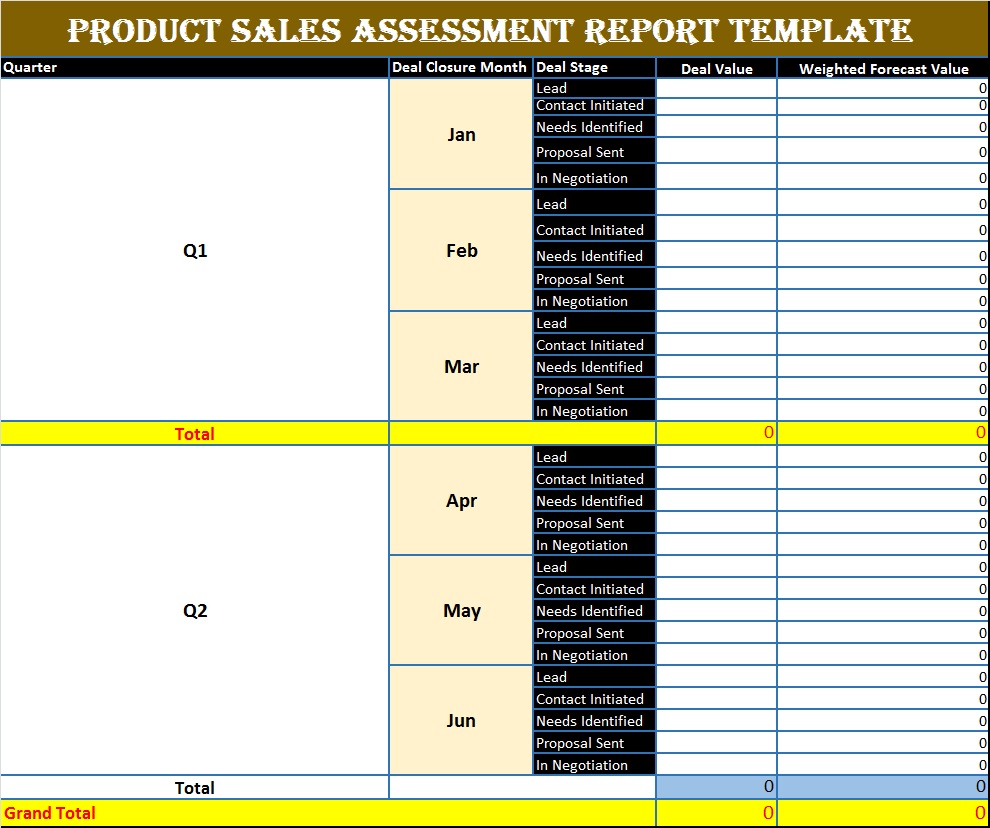
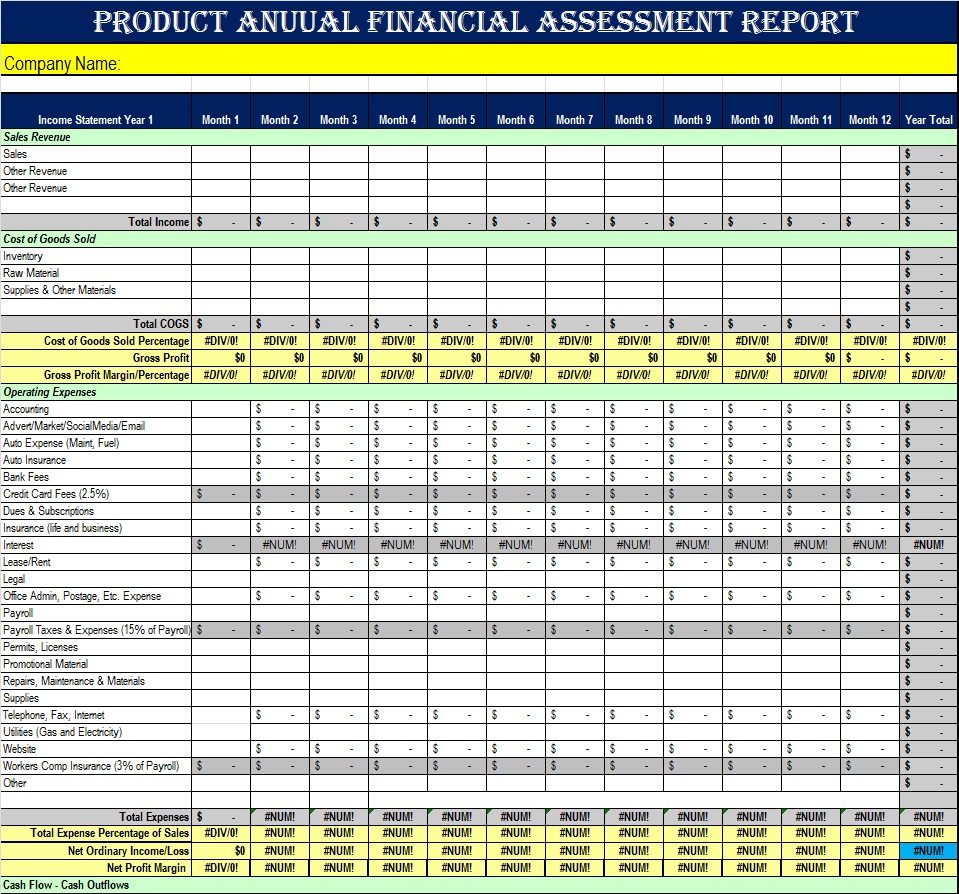
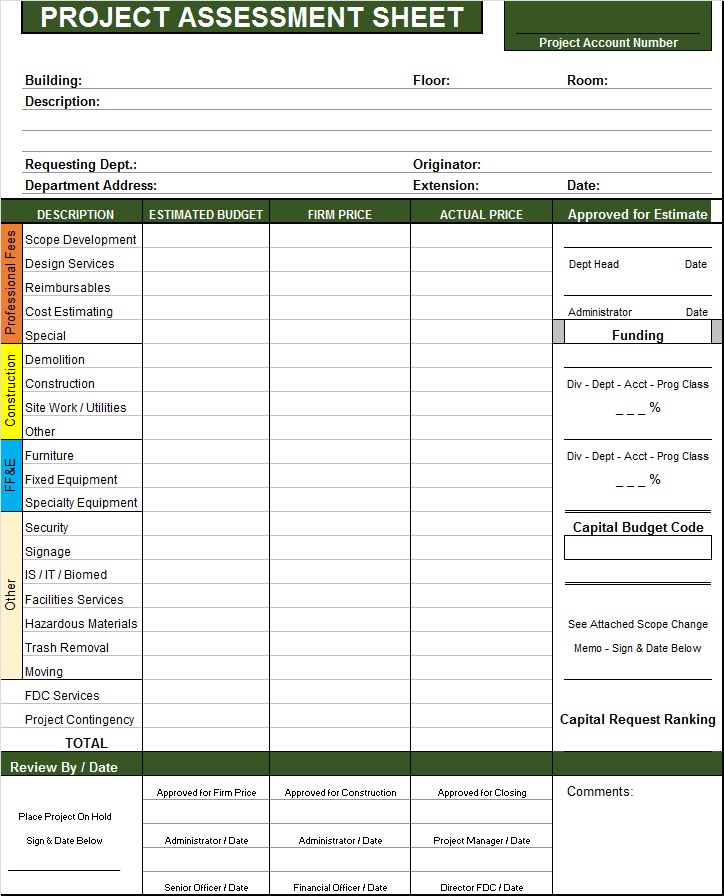
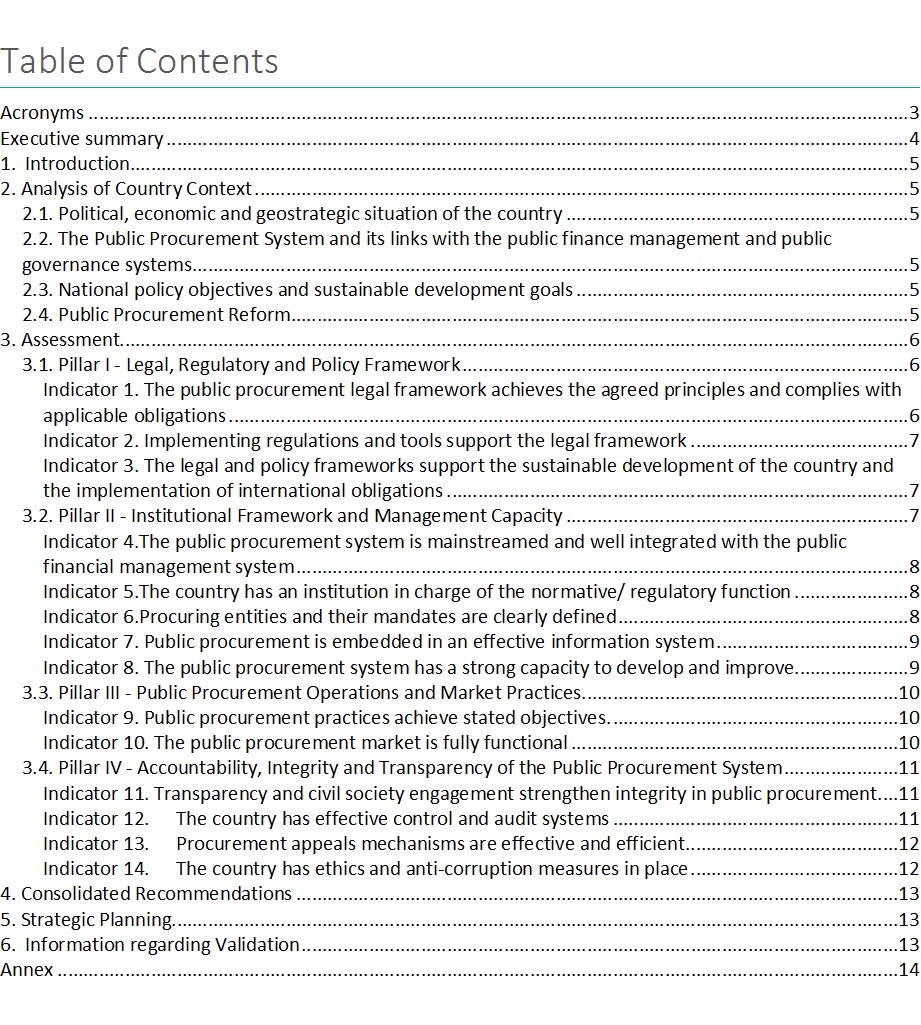
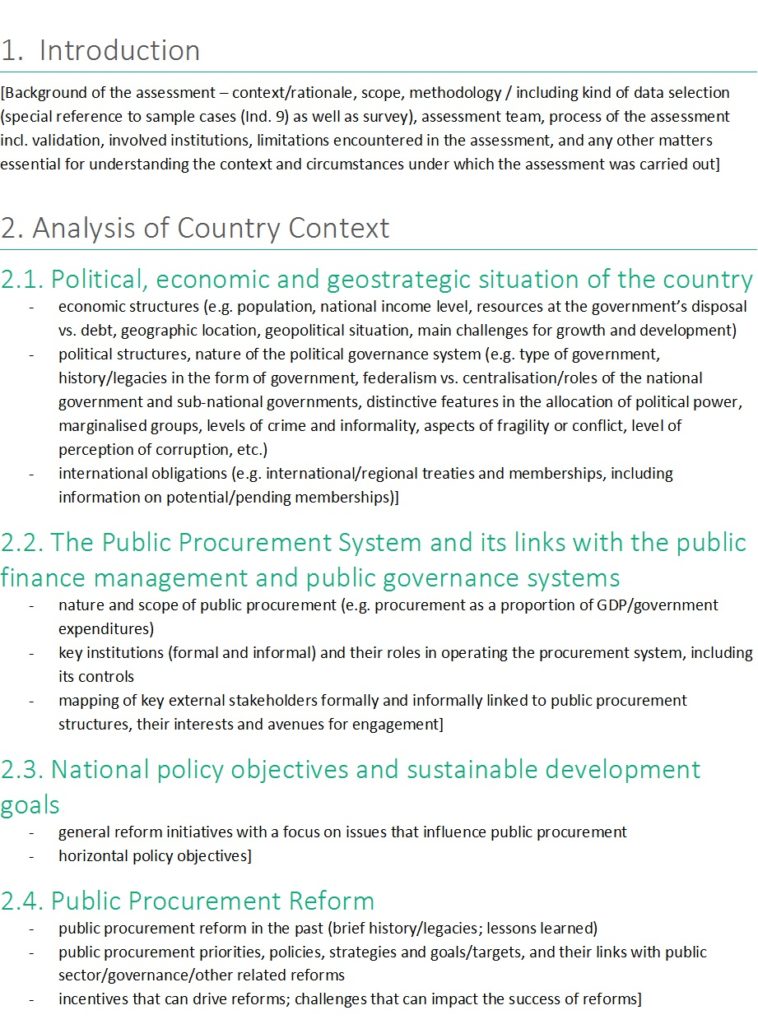
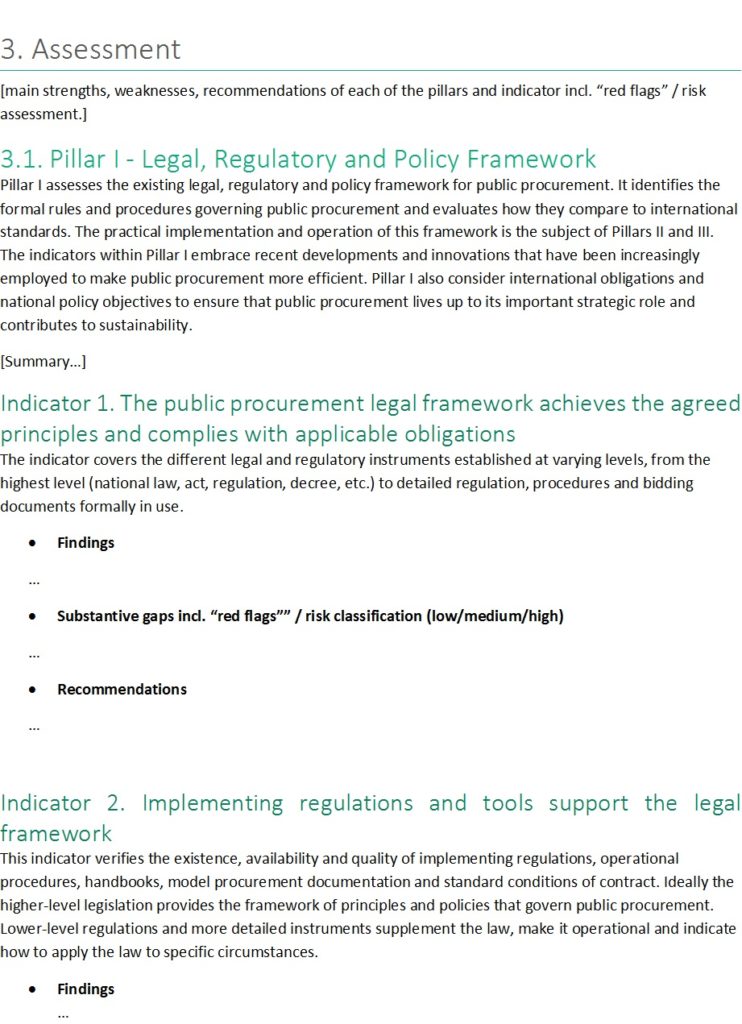
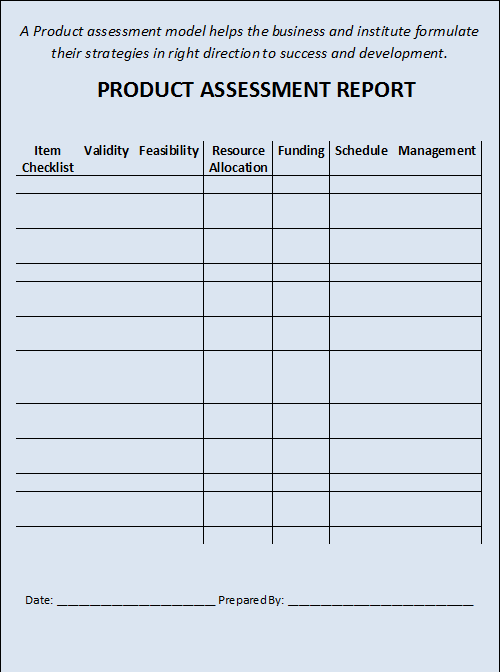
The following report is the template for the Product Assessment Report. The template design gives you a precise look and preview of the product. The template given below states some of the general categories like Item Checklist, Validity, Resources, etc. (however the categories vary according to the requirement). It includes the time, date, venue, etc. as well as a piece of concise information about the presenters and details to be presented.
Product Assessment Report: Basic Tool To Product Development Marketing:
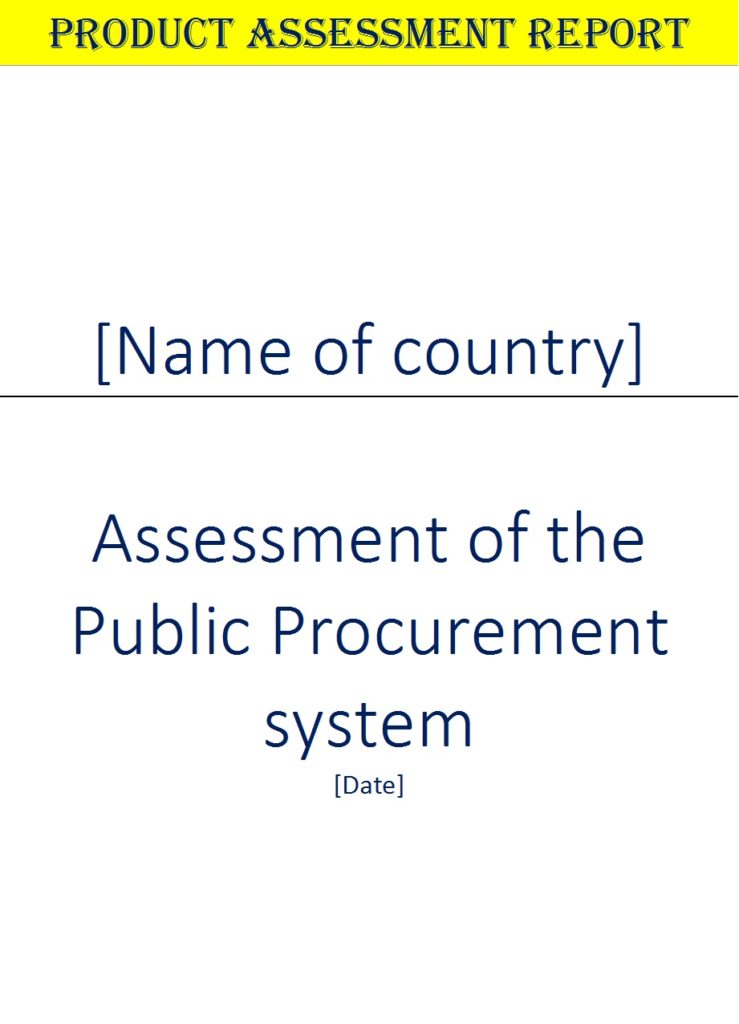
The Product Assessment Report Design is created in Microsoft Word. It is easy to understand and work with. You can add any extra information that you might need. Along with the report gives you a precise look at the products and the procedures undergoing and makes sure to fill in the right information for record keeping. With the help of the Agenda of Product Assessment Template, you would not need any special expertise in MS Word to make a report. Anyone with little or no knowledge at all can make a comprehensive and impressive report.
What Is a Product Assessment Report?
A Product Assessment Report is a formal document used to evaluate a product’s performance, quality, functionality, compliance, and market acceptance. It provides a detailed analysis of various product aspects and helps stakeholders understand strengths, weaknesses, opportunities, and potential risks. See also Monthly Work Report Template.
Businesses across industries use product assessment reports to:
- Measure product quality and performance
- Identify areas for improvement
- Assess customer feedback
- Ensure regulatory compliance
- Support product development decisions
- Evaluate market competitiveness
Why Use a Product Assessment Report Template?
A product assessment report template offers a structured framework that simplifies data collection and analysis. Instead of creating reports from scratch, teams can follow a predefined format that ensures all critical information is included.
Key Benefits
1. Improved Consistency
Templates standardize reporting procedures across departments and projects. This consistency makes it easier to compare products and track performance over time.
2. Time Savings
Pre-designed templates reduce documentation time by providing ready-made sections and formatting. See also RAID LOG TEMPLATES.
3. Better Decision-Making
A comprehensive assessment report presents accurate data and actionable insights, helping management make informed business decisions.
4. Enhanced Communication
Well-organized reports improve communication among product managers, developers, quality assurance teams, and executives.
5. Increased Accountability
Templates create clear documentation of product evaluations, making it easier to track recommendations and implementation efforts.

Essential Components of a Product Assessment Report Template
An effective product assessment report should include the following sections:
1. Executive Summary
The executive summary provides a concise overview of the assessment findings. It highlights key conclusions, recommendations, and overall product performance.
Include:
- Assessment purpose
- Major findings
- Key recommendations
- Overall evaluation score
2. Product Information
This section contains basic details about the product being assessed. See also Daily work report.
Examples:
- Product name
- Product category
- Version or model number
- Manufacturer
- Assessment date
- Assessment team
3. Assessment Objectives
Clearly define the goals of the evaluation process.
Examples:
- Evaluate product quality
- Measure customer satisfaction
- Assess market readiness
- Verify regulatory compliance
- Identify improvement opportunities
4. Evaluation Criteria
Specify the standards and benchmarks used during the assessment.
Common criteria include:
- Functionality
- Usability
- Performance
- Reliability
- Durability
- Safety
- Compliance
- Cost-effectiveness
- Customer satisfaction
5. Assessment Methodology
Describe how the product was evaluated.
Methods may include:
- Product testing
- User surveys
- Customer feedback analysis
- Market research
- Performance benchmarking
- Expert reviews
Documenting the methodology increases transparency and credibility.
6. Findings and Analysis
This section forms the core of the report.
Include:
- Test results
- Performance metrics
- Quality observations
- Strengths and weaknesses
- Customer feedback summaries
- Comparative analysis
Use tables, charts, and graphs whenever possible to improve readability.
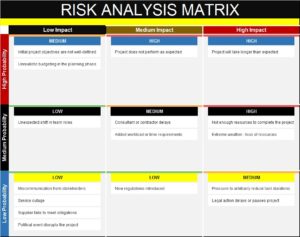
7. Risk Assessment
Identify potential risks associated with the product.
Examples include:
- Safety concerns
- Technical limitations
- Regulatory issues
- Market competition risks
- Customer dissatisfaction risks
Each risk should include:
- Risk description
- Likelihood rating
- Impact level
- Mitigation recommendations
8. Recommendations
Provide practical suggestions for improvement.
Examples:
- Enhance product features
- Improve packaging
- Address quality issues
- Update compliance documentation
- Optimize manufacturing processes
Recommendations should be specific, measurable, and actionable.
9. Conclusion
Summarize the overall assessment results and indicate whether the product meets business objectives and performance expectations.
10. Appendices
Include supporting documents such as:
- Test reports
- Survey results
- Technical specifications
- Compliance certificates
- Performance data
How To Create An Effective Product Assessment Report?
- Use Data-Driven Insights: Rely on empirical data and customer feedback to inform the report.
- InvolveCorss-Functional Teams: By collaborating with product development marketing, and sales teams to ensure a comprehensive report.
- Focus On Key Performance indicators: Evaluate KPI by using relevant product performance.
- Regularly Updating and reviewing your profile.
Download Free Product Assessment Report Template.